
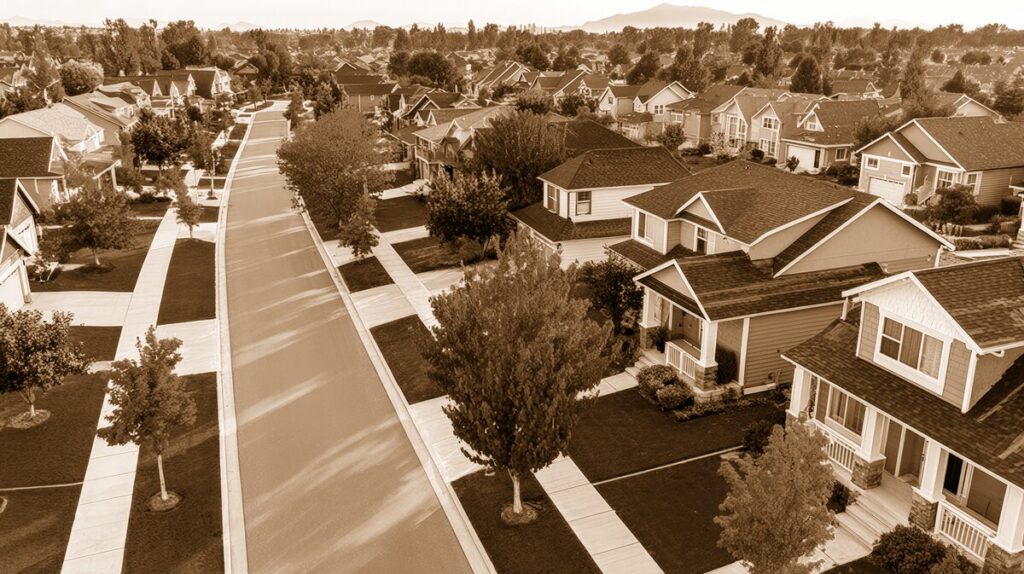
Nestled on the southwest edge of Reading, Pennsylvania, the Millmont neighborhood is a vibrant tapestry of history and community spirit. Its streets are lined with century-old homes, beloved parks, and institutions that have anchored generations of families. For those who call Millmont home—and those who love Reading—it’s a place rich with stories, resilience, and pride.
The Origin of Millmont: A Name Built by Industry
The story of Millmont begins in the late 19th century, a time when Reading was booming as an industrial and railroad hub. Millmont's very name is a nod to its origins: “Mill” referring to the many mills and factories that dotted the banks of the nearby Schuylkill River and “mont” hinting at the area’s slightly raised landscape compared to downtown Reading.
Millmont’s development was closely tied to the extension of trolley lines down Lancaster Avenue and the growth of industry along the river and railroad tracks. Workers and their families built homes along quiet streets like Carroll Street, Pershing Boulevard, and Montgomery Avenue—forming the backbone of today’s tight-knit neighborhood.
Key Historical Milestones
- Late 1800s—Early 1900s: Neighborhood Emergence
Millmont grew as a working-class enclave, supported by the Reading Company railroad yards and manufacturing jobs. Large, stately twin homes went up along main thoroughfares, and welcoming rowhomes filled in surrounding blocks.
- 1920s—1930s: Community Flourishes
The establishment of parks and playgrounds, such as Millmont Park along the banks of Wyomissing Creek, gave families space for recreation. Local churches, including St. John’s Lutheran on South Street and St. John Missionary Baptist on Carroll Street, became community anchors.
- Mid-20th Century: A Center for Industry and Change
The bustling factories evolved—from textile mills to appliance production and beyond. Schools like Millmont Elementary, built on Kenhorst Boulevard, helped shape generations of Reading children.
- Late 20th Century—Present: Renewal and Resilience
As manufacturing waned citywide, Millmont’s identity shifted toward residential pride and small business growth. Community groups and neighborhood associations sprang up to beautify public spaces and foster togetherness.
Notable Landmarks and Institutions
Millmont is characterized by a few key landmarks that both preserve its past and enrich its present:
- Millmont Park – This green stretch along Brookline Avenue has been a community gathering spot since the early 20th century. Parents push swings, teens shoot hoops, and neighbors meet at the pavilion for summer cookouts—just as they did decades ago.
- Millmont Elementary School – Sitting at the heart of the neighborhood, this historic school is where thousands of kids learned their ABCs, made friends, and celebrated Reading’s diverse cultures. The school building itself, with its brick façade and classic architecture, is a Millmont icon.
- Lancaster Avenue Corridor – Once a streetcar line, Lancaster Avenue remains the neighborhood’s main artery. Today, it’s a blend of corner stores, longtime small businesses, and local eateries where neighbors catch up over coffee or a sandwich.
- Historic Churches – From St. John Missionary Baptist to St. John’s Lutheran, Millmont’s churches are more than just places of worship—they’re community centers, food pantry hosts, and keepers of neighborhood traditions.
Streets and Stories: The Fabric of Millmont
Wandering through Millmont, you’ll find charming details that hint at the neighborhood’s long history. Carroll Street is dotted with early 20th-century homes boasting deep porches—a hallmark of Reading’s rowhouse architecture. Along Pershing Boulevard, you’ll see tidy gardens and neighbors greeting one another at dusk.
The Millmont neighborhood is also hemmed by Wyomissing Creek and the picturesque shades of Pendora Park, with its rolling lawns and stately trees. The area’s walkability—close to Downtown Reading but just enough removed to offer a calmer pace—makes it a favorite for young families and longtime residents alike.
Evolution Through the Decades
Over the decades, Millmont has weathered economic booms and downturns, keeping its spirit alive through adaptation and community connection:
- In the mid-1900s, Millmont thrived as a blue-collar, majority-German-American neighborhood, emblematic of Reading’s industrial prowess.
- In the latter part of the 20th century, as industry declined, new waves of families—many of Latinx heritage—made Millmont their home, adding vibrant culture, cuisine, and festivals to the area’s traditions.
- Today, Millmont’s diversity is one of its greatest strengths. Each street tells a multi-generational story of hard work, celebration, and neighborly care.
What Makes Millmont Special
Ask any longtime resident, and they’ll tell you: Millmont is Reading at its best. It’s where grandparents’ stories mix with children’s laughter at the park, and community events at the school or church bring everyone together. Annual block parties, cleanup days, and school fairs keep the neighborhood’s spirit strong.
From the brick sidewalks of Lancaster Avenue to the tranquil banks of Wyomissing Creek, Millmont offers a sense of continuity rare in today’s fast-paced world. It’s a place where heritage and hope live side by side, making every street corner a little bit special.
Celebrating Heritage, Looking to the Future
As Reading continues to evolve, Millmont remains a beloved cornerstone—steeped in history, proud of its heritage, and ready for the next chapter. Whether you grew up here, live here now, or simply pass through on a sunny afternoon, take a moment to appreciate Millmont. Its story, like so many in Reading, is a testament to resilience, warmth, and community pride.